
Plastic waste has become one of the most pressing environmental challenges of our time, but innovative recycling technologies are turning this crisis into opportunity by transforming discarded plastics into valuable 3D printing filament.

🌍 The Global Plastic Crisis Meets 3D Printing Innovation
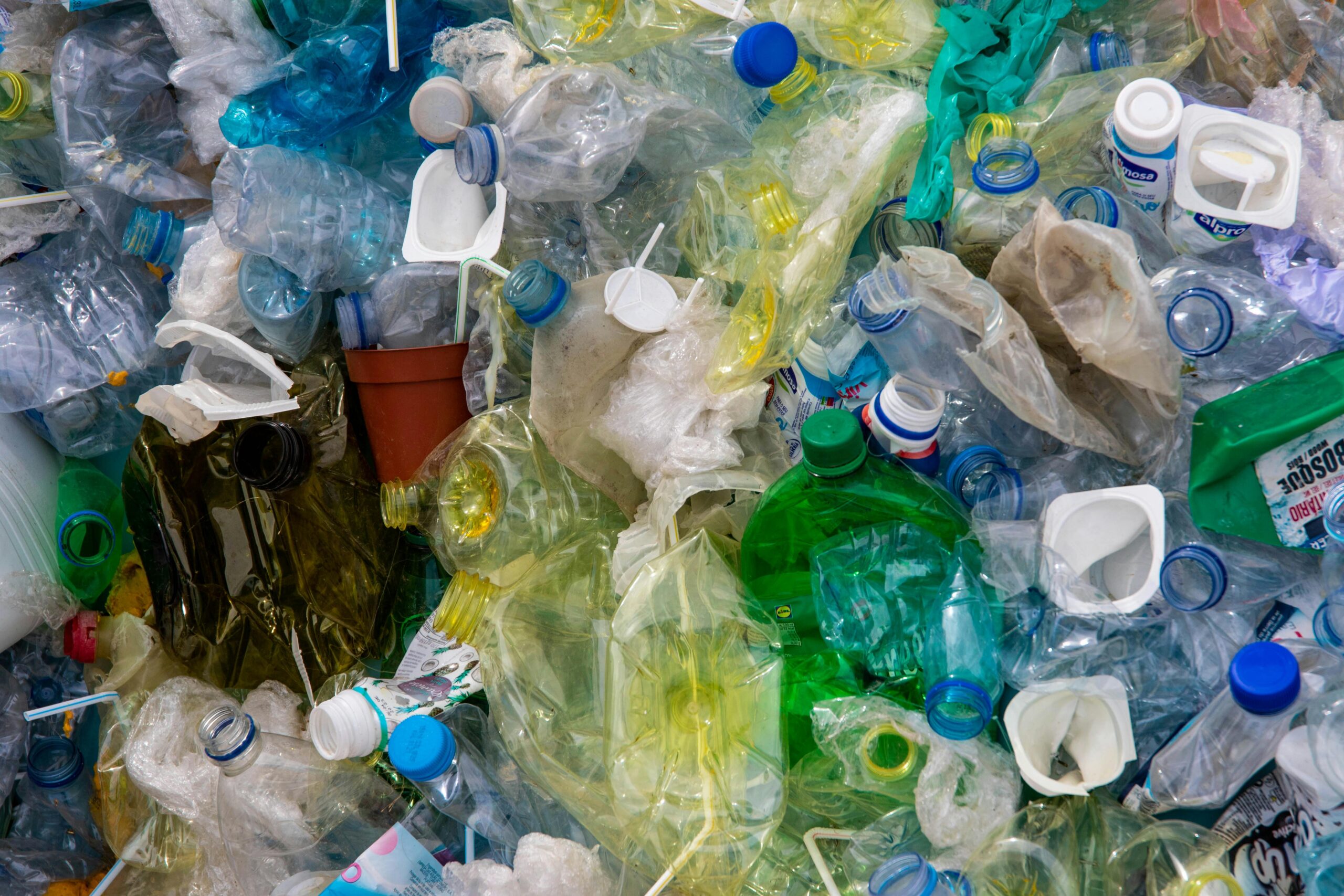
Every year, humanity produces over 400 million tons of plastic waste, with a staggering amount ending up in landfills and oceans. This environmental catastrophe has sparked a revolutionary movement in recycling technology, particularly in the realm of additive manufacturing. The convergence of 3D printing and plastic recycling represents a paradigm shift in how we view waste materials.
The transformation of plastic waste into 3D printer filament addresses two critical issues simultaneously: reducing environmental pollution and providing affordable materials for the rapidly growing maker community. This circular economy approach exemplifies sustainable innovation at its finest, turning yesterday’s trash into tomorrow’s treasure.
Traditional recycling methods often downcycle plastics, reducing their quality with each processing cycle. However, converting plastic waste into filament maintains material integrity while creating a high-value product that fuels creativity and innovation across industries ranging from education to manufacturing.
Understanding the Plastic-to-Filament Transformation Process
The journey from plastic bottle to printer filament involves several sophisticated stages that ensure quality and consistency. This process begins with collection and sorting, where different types of plastics are identified and separated. The most common plastics suitable for filament production include PET (polyethylene terephthalate), HDPE (high-density polyethylene), and PP (polypropylene).
Once sorted, the plastic undergoes thorough cleaning to remove contaminants, labels, and residues. This step is crucial because impurities can compromise filament quality and cause printing failures. The cleaned plastic is then shredded into small flakes or pellets, creating uniform pieces that facilitate consistent melting and extrusion.
The extrusion process represents the heart of filament production. Plastic pellets are fed into an extruder where they’re heated to precise temperatures, melted, and forced through a specially designed nozzle. As the molten plastic emerges, it’s carefully cooled and wound onto spools, creating the continuous filament strand used in 3D printers.
Quality Control: The Critical Success Factor
Maintaining consistent filament diameter is paramount for successful 3D printing. Professional recycling operations employ laser measurement systems that monitor diameter in real-time, ensuring tolerances within ±0.05mm. This precision prevents printing issues like nozzle clogging or inconsistent extrusion that frustrate makers and waste materials.
Color consistency presents another challenge when working with recycled materials. Mixed plastic sources can create unpredictable color variations, though many manufacturers embrace this characteristic, marketing “eco-filament” with unique, organic color patterns that celebrate the material’s recycled origin.
💡 Home-Based Recycling Solutions: Empowering Makers Worldwide
The democratization of plastic recycling technology has brought industrial capabilities into home workshops and makerspaces. Desktop filament extruders now enable individuals to transform their own plastic waste into usable 3D printing material, closing the loop between consumption and creation.
These compact machines, often costing between $500 and $2,000, process plastic bottles, failed prints, and other plastic waste into custom filament. Popular models include the Filabot EX2, Felfil Evo, and various open-source designs that the maker community continuously improves and shares.
The environmental and economic benefits of home recycling are substantial. Users report reducing filament costs by 60-80% compared to commercial alternatives while simultaneously diverting pounds of plastic from waste streams. This personal connection to the recycling process also fosters greater environmental awareness and responsible consumption habits.
Setting Up Your Personal Recycling Operation
Starting a home-based plastic-to-filament operation requires careful planning and modest investment. Beyond the extruder itself, successful recyclers need shredders to process larger plastic items, storage containers for sorted materials, and quality control tools like digital calipers to measure filament diameter.
The learning curve can be steep initially, as different plastics behave differently during processing. Temperature settings, extrusion speed, and cooling rates all require optimization for each plastic type. However, the maker community provides extensive documentation, troubleshooting guides, and peer support through online forums and local makerspaces.
Commercial Recycling Operations: Scaling the Solution
While home recycling empowers individuals, commercial operations provide the scale necessary to make significant environmental impact. Companies worldwide are establishing sophisticated facilities that process tons of plastic waste monthly, transforming it into high-quality filament for consumers and businesses.
These enterprises often partner with municipalities, schools, and businesses to establish plastic collection programs, creating reliable material streams. Advanced sorting technologies, including optical scanners and density separators, ensure consistent plastic quality while maximizing processing efficiency.
Commercial recycled filament has gained market acceptance as quality has improved. Many manufacturers now offer recycled options that perform identically to virgin plastic filaments but at competitive prices. This market development creates economic incentives that drive increased plastic collection and recycling.
🔬 Material Science: Understanding Recycled Filament Properties
The physical and mechanical properties of recycled filament depend heavily on source materials and processing methods. PET from beverage bottles, for instance, creates strong, slightly flexible filament suitable for functional parts and prototypes. Its relatively low printing temperature and minimal warping make it accessible for most 3D printers.
HDPE from containers and caps produces more challenging but durable filament. Its tendency to warp and poor layer adhesion require heated print beds and enclosed printers. However, its chemical resistance and toughness make it valuable for outdoor applications and containers.
Recycled ABS, often sourced from electronic housings and automotive parts, maintains the strength and temperature resistance that makes virgin ABS popular. However, sourcing pure ABS waste streams presents challenges, as mixed plastics compromise final filament properties.
Performance Comparison: Recycled vs. Virgin Filament
Testing reveals that properly processed recycled filament performs comparably to virgin materials in most applications. Tensile strength typically measures within 5-10% of virgin filament, while layer adhesion and print quality show minimal differences when processing parameters are optimized.
Some recycled filaments actually offer advantages. The slight variations in material composition can create unique aesthetic effects, while the lower cost encourages experimentation and learning without financial pressure. Environmental benefits aside, recycled filament simply makes economic and practical sense for many applications.
Environmental Impact: Measuring the Difference
The environmental benefits of converting plastic waste to filament extend far beyond simple waste diversion. Life cycle assessments demonstrate significant reductions in carbon emissions, energy consumption, and resource depletion compared to virgin plastic production.
Manufacturing virgin plastic filament from petroleum requires approximately 2-3 kg of CO₂ per kilogram of filament produced. Recycled filament production reduces this by 60-80%, depending on transportation distances and energy sources. When renewable energy powers recycling operations, the carbon footprint decreases even further.
Water usage represents another critical environmental factor. Virgin plastic production consumes substantial water resources during petroleum refining and polymerization. Recycling plastic primarily requires water for cleaning, which can be minimized through efficient processes and water recycling systems.
🌱 Ocean Plastic Initiatives: From Pollution to Production
Several innovative companies are tackling ocean plastic pollution by collecting marine debris and transforming it into filament. These initiatives face additional challenges, as saltwater exposure and UV degradation affect plastic properties. However, the symbolism and marketing value of “ocean plastic filament” drive premium pricing that funds continued collection efforts.
Programs in Southeast Asia, the Caribbean, and Mediterranean regions combine environmental cleanup with economic development. Local communities earn income collecting plastic waste, which is processed into filament and sold globally. This approach creates sustainable livelihoods while addressing pollution at its source.
Applications Across Industries: Real-World Impact
Educational institutions have embraced recycled filament enthusiastically, using it to teach sustainability concepts while reducing costs. Schools worldwide implement programs where students collect plastic waste, convert it to filament, and print educational materials, creating tangible connections between environmental responsibility and practical skills.
Manufacturing companies increasingly use recycled filament for prototyping and tooling applications. The lower cost enables more iteration cycles, accelerating product development while reducing material expenses. Some companies have eliminated virgin plastic entirely from their prototyping workflows, demonstrating corporate environmental commitment.
Artists and designers create stunning works using recycled filament’s unique properties. The subtle color variations and material history become part of the artwork’s narrative, communicating messages about consumption, waste, and transformation. This artistic application raises awareness while proving recycled materials can achieve premium aesthetic results.
Challenges and Limitations: Honest Assessment
Despite tremendous progress, plastic-to-filament recycling faces significant challenges. Contamination remains problematic, as different plastic types mixed together produce unusable filament with unpredictable properties. Consumer education about proper sorting is essential but difficult to achieve at scale.
Economic viability presents another hurdle, particularly for small operations. Equipment costs, energy consumption, and time investment must be weighed against savings on purchased filament. Without sufficient volume, home recycling may not achieve financial break-even, though environmental benefits persist regardless.
Quality consistency challenges some recyclers, particularly when working with diverse waste streams. Achieving commercial-grade consistency requires sophisticated equipment and process control that may exceed hobbyist capabilities. However, many applications tolerate wider quality variations, expanding the market for imperfect but functional recycled filament.
🚀 Future Innovations: What’s Next for Plastic Recycling
Emerging technologies promise to revolutionize plastic-to-filament recycling further. Artificial intelligence systems are being developed to automatically identify and sort plastics by type, removing human error and improving material stream purity. These systems could make recycling more accessible and economically viable at all scales.
Chemical recycling processes that break plastics down to molecular components and reconstruct them may enable infinite recycling without quality degradation. While currently expensive, scaling these technologies could transform the entire plastic economy, making truly circular material flows economically attractive.
Biodegradable and bio-based plastics represent another frontier. As these materials become more common in consumer products, recycling systems must adapt to process them effectively. Some biodegradable plastics can be converted to filament, offering environmental benefits throughout their lifecycle.
Community-Driven Innovation
The open-source hardware movement continues driving innovation in recycling technology. Projects like Precious Plastic provide free designs for shredders, extruders, and injection molding machines specifically designed for small-scale plastic recycling. These designs have been replicated worldwide, empowering communities to address local plastic waste challenges.
Collaborative improvement of these designs occurs continuously, with makers sharing modifications, troubleshooting solutions, and performance data. This collective intelligence accelerates innovation faster than traditional commercial development cycles, democratizing access to effective recycling technology.
Taking Action: Getting Started with Plastic Recycling
Individuals interested in plastic-to-filament recycling can begin at various commitment levels. Simply purchasing recycled filament supports the industry and demonstrates market demand for sustainable products. Many excellent brands offer competitively priced recycled options that perform admirably in standard 3D printers.
For those ready to invest in equipment, research different extruder models carefully. Consider processing capacity, plastic compatibility, ease of use, and community support when selecting equipment. Starting with a reliable commercial model often proves more satisfying than building custom equipment initially.
Joining local makerspaces or fab labs provides access to recycling equipment without full ownership costs. These community spaces often welcome new members interested in sustainability projects and provide mentorship from experienced recyclers. The social learning environment accelerates skill development while building supportive networks.
🎯 Building a Sustainable Making Practice
Integrating recycled filament into 3D printing workflows requires adjusting expectations and practices. Start by using recycled filament for non-critical prints, learning its characteristics before attempting complex or important projects. Document temperature settings, print speeds, and results to build personal knowledge about specific materials.
Design prints with recycling in mind from the beginning. Minimize support structures, optimize infill percentages, and create parts that can be easily disassembled and recycled when no longer needed. This circular design thinking extends product lifecycles and reduces overall material consumption.
Share knowledge and experiences with the broader community. Document successes and failures, contribute to online discussions, and mentor newcomers to plastic recycling. The collective wisdom of thousands of makers worldwide continuously improves processes and outcomes, benefiting everyone committed to sustainable making.
Creating Systemic Change Through Individual Action
The transformation of plastic waste into 3D printer filament represents more than clever recycling—it embodies a fundamental reimagining of material value and waste. Each spool of recycled filament demonstrates that discarded plastics retain immense potential when viewed through the lens of innovation rather than disposal.
This revolution in recycling extends beyond environmental benefits. It democratizes manufacturing, empowers creative expression, and builds community resilience. When local makerspaces transform neighborhood plastic waste into useful products, they demonstrate practical sustainability that inspires broader change.
The path forward requires continued innovation, investment, and commitment from individuals, businesses, and institutions. However, the foundation has been established, and the momentum continues building. Every plastic bottle transformed into filament, every print created from recycled materials, and every person educated about circular economy principles advances this sustainable future.
As 3D printing technology becomes increasingly accessible and plastic waste continues accumulating, the marriage of these trends offers genuine hope. By revolutionizing recycling through practical innovation, we’re not just managing waste—we’re transforming it into possibility, one layer at a time. The sustainable future isn’t merely theoretical; it’s being printed right now, using materials that once seemed destined for landfills but instead fuel human creativity and environmental stewardship. 🌍♻️