
Shipping eco-prints demands thoughtful packaging choices that honor both your artistic vision and our planet’s future. Let’s explore how sustainable packaging transforms your shipping process into an eco-conscious practice.

🌿 Why Sustainable Packaging Matters for Eco-Print Artists
The eco-print community shares a deep connection with nature, using leaves, flowers, and natural dyes to create stunning textile art. This relationship with the environment naturally extends to how we package and ship our creations. Traditional packaging materials like bubble wrap, styrofoam peanuts, and plastic mailers contradict the sustainable ethos that eco-printing represents.
When customers purchase eco-prints, they’re investing in more than beautiful art—they’re supporting sustainable practices. Arriving in petroleum-based packaging creates cognitive dissonance that can diminish their experience and your brand integrity. Sustainable packaging solutions align your entire business model with environmental values, creating consistency from creation to delivery.
The global push toward sustainability isn’t just ethical—it’s economical. Consumers increasingly favor businesses demonstrating environmental responsibility, with studies showing over 70% of shoppers willing to pay premium prices for sustainably packaged products. For eco-print artists, this presents an opportunity to differentiate your brand while protecting the ecosystems that inspire your work.
Understanding the Full Lifecycle of Packaging Materials
Before selecting packaging materials, understanding their environmental impact throughout their lifecycle is crucial. This includes raw material extraction, manufacturing processes, transportation emissions, end-use functionality, and disposal or decomposition.
Conventional packaging often relies on virgin plastics derived from fossil fuels, requiring significant energy for production and persisting in landfills for centuries. Even recyclable materials aren’t perfect—recycling processes consume energy and water, and contamination often renders materials unrecyclable in practice.
Sustainable alternatives prioritize renewable resources, minimal processing, reusability, and biodegradability. The best packaging solutions serve their protective function while leaving the smallest possible environmental footprint. For eco-print artists, this means evaluating each component of your shipping process with critical awareness.
Calculating Your Packaging Carbon Footprint
Understanding your current packaging impact helps identify improvement areas. Consider these factors when assessing your shipping materials:
- Weight and volume of materials used per shipment
- Distance materials travel from manufacturer to your studio
- Energy intensity of material production processes
- Reusability potential for customers
- End-of-life disposal options and decomposition rates
- Percentage of recycled or renewable content
Many packaging suppliers now provide environmental data sheets detailing carbon emissions and sustainability certifications. This transparency allows informed decision-making aligned with your environmental values.
🌾 Compostable and Biodegradable Outer Packaging Options
The outer packaging protects your eco-prints during transit while making the first impression on customers. Fortunately, numerous sustainable alternatives have emerged to replace conventional plastic mailers and cardboard boxes.
Compostable mailers made from plant-based materials like corn starch, cassava, or PBAT (polybutylene adipate terephthalate) offer waterproof protection without petroleum products. These mailers break down completely in commercial composting facilities within months, leaving no toxic residue. Some varieties even decompose in home compost bins, though this typically requires longer timeframes.
Recycled cardboard boxes remain excellent choices, especially when sourced from post-consumer waste. Look for boxes with high recycled content percentages and minimal printing inks. Corrugated cardboard provides excellent protection for rolled or framed eco-prints while remaining fully recyclable through existing infrastructure.
Mushroom packaging represents an innovative frontier, utilizing mycelium (mushroom roots) grown around agricultural waste to create custom-molded protective packaging. While currently more expensive, this technology offers completely compostable, carbon-negative packaging that literally grows into shape.
Water-Activated Tape: A Simple Switch with Big Impact
Traditional plastic packing tape seems insignificant but accumulates substantial waste over time. Water-activated paper tape bonds permanently to cardboard using natural starch-based adhesives, creating tamper-evident seals while remaining fully recyclable with your cardboard packaging.
This tape actually strengthens box integrity better than plastic alternatives, providing superior protection during shipping. The slight extra effort of using a water dispenser pays dividends in sustainability and professional presentation.
Protective Interior Packaging That Doesn’t Harm the Planet 🍃
Protecting delicate eco-prints during shipping requires cushioning materials that absorb shocks without contributing to plastic pollution. Several sustainable options effectively safeguard your artwork:
Shredded recycled paper offers excellent cushioning while being completely recyclable or compostable. Many businesses generate significant paper waste that can be repurposed using simple shredders. This creates cost-effective padding while diverting waste from landfills.
Corrugated cardboard inserts custom-cut to your print dimensions provide rigid protection without loose fill materials. These can be fabricated from recycled cardboard and designed for customer reuse or easy recycling.
Biodegradable packing peanuts made from cornstarch dissolve in water and compost naturally. Unlike styrofoam predecessors, these dissolve completely when wet, making disposal effortless for customers. Some varieties are even technically edible, though not particularly flavorful!
Honeycomb paper wrap expands to cushion items while using minimal material. This kraft paper alternative to bubble wrap provides excellent protection, remains fully recyclable, and presents beautifully when customers open packages.
Fabric and Textile-Based Packaging Solutions
As a textile artist, incorporating fabric into your packaging creates cohesive branding while maximizing sustainability. Reusable fabric wraps using furoshiki techniques transform packaging into part of the gift, encouraging customers to reuse these beautiful textiles.
Organic cotton muslin bags offer breathable protection perfect for folded eco-prints. These washable, reusable bags can feature your logo or remain neutral for customer repurposing. The soft texture protects delicate prints without plastic barriers.
Upcycled fabric scraps from your eco-printing process make excellent padding material. Customers appreciate the connection to your creative process, and this approach eliminates textile waste while providing cushioning protection.
Smart Sizing Strategies to Minimize Material Waste
Oversized packaging wastes materials, increases shipping costs, and requires excessive void fill. Optimizing package dimensions significantly reduces environmental impact while improving efficiency.
Standardizing your eco-print sizes allows investment in perfectly fitted packaging that minimizes waste. Consider offering prints in dimensions that correspond with standard sustainable packaging sizes, reducing custom packaging needs.
Adjustable packaging systems using folded cardboard or origami-inspired designs accommodate various sizes without maintaining excessive inventory. These clever solutions expand or contract based on contents, eliminating unnecessary material usage.
Right-sizing also reduces transportation emissions by maximizing space efficiency in delivery vehicles. Smaller, optimized packages mean more shipments per truck, lowering the carbon footprint per delivery.
📦 Communicating Your Sustainable Packaging Story
Sustainable packaging provides marketing opportunities when communicated effectively. Customers value transparency about environmental efforts and appreciate businesses sharing their sustainability journey.
Include brief information cards explaining your packaging choices and proper disposal methods. This education helps customers participate in the sustainability cycle through appropriate composting or recycling.
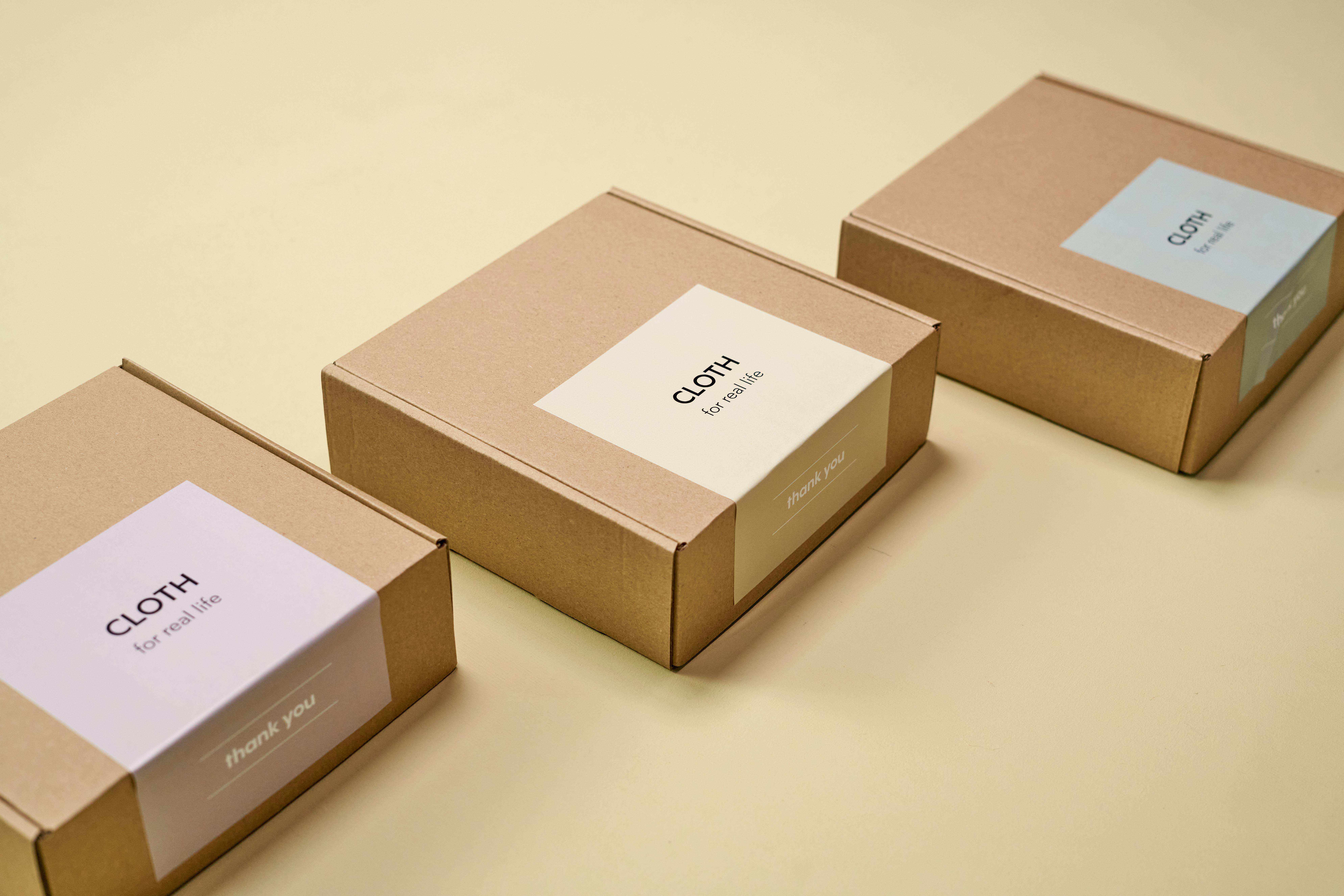
Consider simple graphics or stamps on outer packaging indicating compostability, recycled content, or other environmental attributes. These visual cues immediately communicate your values while providing practical guidance.
Share behind-the-scenes content on social media showing your packaging process, material sourcing decisions, and sustainability philosophy. Customers connect with transparent storytelling that demonstrates authentic commitment rather than superficial greenwashing.
Creating Unboxing Experiences That Delight and Educate
Sustainable packaging needn’t sacrifice presentation quality. Thoughtful design creates memorable unboxing experiences while maintaining environmental integrity:
- Natural twine or organic ribbon adds elegant finishing touches without plastic
- Seed paper tags embedded with wildflower seeds extend the sustainability story
- Minimal, beautiful stamps or eco-friendly ink stamps personalize packaging
- Dried flowers or leaves from your eco-printing materials create aesthetic connections
- Handwritten thank-you notes on recycled paper add personal warmth
These details transform functional packaging into meaningful brand experiences that customers remember and share, amplifying your message through authentic word-of-mouth marketing.
Sourcing Sustainable Packaging Materials Responsibly 🌍
Finding reliable suppliers committed to genuine sustainability requires research beyond surface-level marketing claims. Look for third-party certifications verifying environmental claims:
FSC (Forest Stewardship Council) certification ensures paper products come from responsibly managed forests. This prevents deforestation and protects biodiversity while supporting sustainable forestry practices.
Cradle to Cradle certification evaluates products across material health, material reuse, renewable energy usage, water stewardship, and social fairness. This comprehensive standard identifies truly sustainable options.
BPI (Biodegradable Products Institute) certification confirms compostable products meet ASTM standards for commercial composting, preventing misleading biodegradability claims.
Local sourcing reduces transportation emissions while supporting regional economies. Seek nearby suppliers offering sustainable materials, even if prices are slightly higher. The reduced shipping distances offset cost differences through lower carbon footprints.
Building Relationships with Sustainable Suppliers
Developing partnerships with packaging suppliers aligned with your values creates long-term benefits. Communicate your sustainability priorities clearly and ask detailed questions about material sourcing, manufacturing processes, and end-of-life disposal.
Small businesses often receive better service and pricing through consistent ordering relationships. Bulk purchasing reduces packaging waste from multiple small shipments while lowering per-unit costs.
Consider collaborating with other eco-print artists or sustainable businesses to pool purchasing power. Collective ordering achieves bulk pricing otherwise unavailable to individual small businesses.
Cost Considerations and Long-Term Value Analysis 💚
Sustainable packaging often carries higher upfront costs than conventional alternatives, creating financial challenges for small businesses. However, comprehensive cost analysis reveals surprising long-term value.
Premium pricing strategies work when supported by authentic sustainability narratives. Customers paying for handmade eco-prints already value quality and ethics, making them receptive to slightly higher prices supporting environmental responsibility.
Operational efficiencies from optimized packaging reduce waste, improve workflow, and decrease shipping costs through better space utilization. These savings accumulate substantially over time.
Brand differentiation through genuine sustainability attracts loyal customers less sensitive to price fluctuations. Building community around shared values creates lasting business relationships transcending transactional competition.
| Packaging Type | Initial Cost | Environmental Impact | Customer Perception |
|---|---|---|---|
| Conventional Plastic | Low | High negative | Inconsistent with eco-print values |
| Recycled Cardboard | Moderate | Low impact | Positive, familiar recycling |
| Compostable Mailers | Higher | Very low impact | Very positive, innovative |
| Reusable Fabric | Higher upfront | Lowest long-term | Excellent, adds value |
Implementing Gradual Transitions Toward Full Sustainability
Transforming your entire packaging system overnight feels overwhelming and financially impractical. Strategic, incremental changes create sustainable progress without business disruption.
Start by replacing the most environmentally problematic materials first. Switching from plastic bubble wrap to paper alternatives provides immediate impact with minimal workflow changes.
Deplete existing conventional packaging inventory before purchasing sustainable replacements, preventing waste from unused materials. This transition period allows gradual investment spreading costs across time.
Test new sustainable materials with small batches before full commitment. Customer feedback reveals which solutions work best practically while maintaining quality expectations.
Document your sustainability journey authentically, sharing both successes and challenges. Customers appreciate honesty about the process and often offer support during transitions through patient understanding and continued purchases.
🌱 Beyond Packaging: Holistic Shipping Sustainability
Truly sustainable shipping extends beyond material choices to encompass entire logistics systems. Consider these additional environmental factors:
Carbon-neutral shipping options offered by carriers offset transportation emissions through verified environmental projects. While slightly more expensive, these programs demonstrate comprehensive commitment to sustainability.
Consolidated shipping schedules reduce trips to postal facilities, lowering personal vehicle emissions. Batching orders for specific shipping days improves efficiency while reducing your carbon footprint.
Local delivery options for nearby customers eliminate shipping entirely. Hand-delivering orders or offering studio pickup creates personal connections while being environmentally optimal.
Digital printing alternatives for certain customers reduce physical shipping needs altogether. While not applicable to all eco-prints, offering high-resolution digital versions for specific uses expands accessibility sustainably.
Inspiring Customer Participation in Sustainability Cycles ♻️
Engaging customers as active participants in sustainability extends environmental impact beyond your direct control. Provide clear guidance helping them properly manage packaging materials:
Create simple instruction cards explaining composting procedures for biodegradable materials. Many customers lack composting knowledge, so basic guidance enables proper disposal.
Encourage creative reuse through social media campaigns showcasing customer packaging repurposing. This builds community while extending material lifecycles through imagination.
Offer incentives for customers returning packaging for reuse. Small discounts on future purchases motivate participation while reducing your material costs.
Partner with local composting facilities or recycling centers, providing customers with specific resources for proper material processing in their areas.
Measuring Impact and Celebrating Progress
Tracking sustainability metrics demonstrates concrete progress while identifying improvement opportunities. Maintain simple records documenting:
- Percentage of packaging from recycled or renewable sources
- Weight of packaging materials per shipment
- Number of shipments using fully compostable materials
- Customer feedback regarding packaging sustainability
- Cost comparisons between conventional and sustainable options
Share these achievements with your community through annual sustainability reports or regular social media updates. Transparency builds trust while inspiring other businesses to adopt similar practices.
Celebrate milestones authentically, acknowledging both successes and ongoing challenges. Sustainability represents continuous improvement rather than perfect achievement, and honest communication resonates with customers sharing these values.
The Future of Eco-Conscious Shipping for Artists 🎨
Sustainable packaging technology continues evolving, with innovations promising even better solutions for eco-print artists. Emerging developments include packaging that actively sequesters carbon during decomposition, advanced bio-plastics with improved performance characteristics, and artificial intelligence optimizing package sizing automatically.
Regulatory changes increasingly favor sustainable packaging through plastic taxes, extended producer responsibility programs, and composting infrastructure investments. These systemic shifts will make sustainable choices progressively easier and more economical.
The eco-print community leads by example, demonstrating that artistic businesses can thrive while prioritizing environmental responsibility. Your packaging choices ripple outward, influencing customers, fellow artists, and industry standards toward greater sustainability.
Shipping eco-prints responsibly through sustainable packaging solutions represents more than environmental obligation—it embodies the deep respect for nature fundamental to eco-printing itself. Every package sent becomes an extension of your artistic practice, carrying your values forward into the world. By choosing green and clean packaging, you protect both your beautiful creations and the natural world that inspires them, creating harmony between art, commerce, and environmental stewardship.
The transition toward fully sustainable shipping practices continues evolving, bringing new challenges and opportunities. Staying informed about innovations, maintaining authentic commitment to improvement, and building community around shared values ensures your packaging practices reflect the same integrity and beauty as the eco-prints they protect.