
Shipping eco-prints shouldn’t compromise the planet you’re trying to celebrate through your art. Green delivery practices ensure your sustainable artwork reaches customers with minimal environmental impact. 🌿

Why Green Delivery Matters for Your Eco-Print Business
The irony isn’t lost on conscious consumers: receiving environmentally-themed artwork wrapped in plastic bubble wrap and styrofoam peanuts contradicts everything your eco-prints represent. Your packaging choices communicate values just as powerfully as the botanical prints, natural dyes, and sustainable materials you’ve carefully selected for your artwork.
Statistics reveal that packaging waste accounts for nearly 30% of total municipal solid waste in many developed countries. When you’re creating eco-prints—whether through natural dyeing, botanical printing, or sustainable printmaking techniques—your delivery method becomes an extension of your environmental commitment. Customers purchasing eco-conscious art increasingly expect the entire experience to align with their values, from creation to doorstep delivery.
Green delivery isn’t just about feeling good; it’s smart business. Research shows that 72% of consumers are more likely to purchase from brands demonstrating environmental responsibility. Your packaging becomes a marketing tool, a brand statement, and a practical necessity all wrapped into one sustainable package.
Understanding the Environmental Cost of Traditional Shipping 📦
Before exploring solutions, let’s examine what makes conventional shipping problematic. Traditional delivery systems rely heavily on petroleum-based plastics, virgin paper products, and transportation methods that generate significant carbon emissions. A typical art shipment might include plastic sleeves, bubble wrap, styrofoam corners, non-recyclable tape, and boxes made from virgin cardboard.
The transportation element adds another layer of environmental impact. Shipping trucks, cargo planes, and delivery vehicles collectively produce millions of tons of CO2 annually. While you can’t eliminate transportation entirely, understanding these impacts helps you make informed decisions about shipping methods, consolidation strategies, and carrier selection.
Water consumption, chemical treatments, and end-of-life disposal further complicate the picture. Many packaging materials require extensive processing, bleaching, and coating that consume resources and generate pollutants. When these materials reach their destination, most end up in landfills where they take decades or centuries to decompose.
Eco-Conscious Packaging Materials That Actually Work 🌱
Fortunately, sustainable alternatives have evolved significantly. Today’s eco-friendly packaging materials offer protection comparable to traditional options while dramatically reducing environmental impact. Let’s explore materials that work specifically well for shipping delicate eco-prints.
Recycled and Recyclable Cardboard Solutions
Post-consumer recycled cardboard provides excellent protection while keeping materials in circulation. Look for boxes with high recycled content percentages—ideally 80% or higher. These boxes maintain structural integrity while reducing demand for virgin wood pulp. Many suppliers now offer FSC-certified options that guarantee responsible forestry practices.
Corrugated cardboard backing boards protect flat prints during transit without adding excessive weight. Unlike plastic stiffeners, cardboard backing is universally recyclable and biodegradable. Consider investing in custom-sized boxes to minimize material waste and reduce dimensional weight charges from carriers.
Plant-Based Protective Materials
Replace plastic bubble wrap with mushroom packaging, corrugated cardboard rolls, or kraft paper padding. Mushroom packaging—grown from agricultural waste and mycelium—provides cushioning that’s completely compostable. It’s particularly effective for corners and edges where eco-prints need extra protection.
Honeycomb paper wrap offers another innovative solution. This expandable paper creates air pockets similar to bubble wrap but decomposes naturally. It’s lightweight, reducing shipping costs while providing adequate cushioning for most eco-print shipments. The satisfying texture also creates a premium unboxing experience that customers remember.
Compostable and Biodegradable Sleeves
Protecting prints from moisture requires careful material selection. Compostable cellophane made from wood cellulose provides a transparent, water-resistant barrier without petroleum plastics. These sleeves break down in home compost systems within 90 days, leaving no toxic residue.
Alternatively, consider glassine paper bags. This smooth, glossy paper resists moisture and grease while remaining completely biodegradable. It’s been protecting artwork and food for over a century, and modern versions offer excellent clarity for showcasing your eco-prints before opening.
Designing Your Green Shipping System 📮
Sustainable packaging works best as an integrated system rather than isolated material swaps. Developing a cohesive approach ensures consistency, efficiency, and genuine environmental impact reduction. Your system should address protection, presentation, and environmental responsibility simultaneously.
Creating a Packaging Protocol
Document your standard packaging process to maintain consistency and train any helpers. Your protocol might specify: inspect print for imperfections, insert into compostable sleeve, add backing board, wrap in honeycomb paper, place in recycled box with paper tape, and include care instructions printed on recycled paper.
Standardization reduces waste from trial and error while ensuring every customer receives the same careful treatment. It also helps you calculate material costs accurately and identify opportunities for bulk purchasing discounts on sustainable supplies.
Right-Sizing Your Packages
Using appropriately sized packaging reduces material consumption and shipping costs simultaneously. Oversized boxes require excessive void fill, increase dimensional weight charges, and waste space in delivery vehicles. Consider maintaining inventory in three to five standard sizes that accommodate your most common print dimensions.
Custom stamping or sizing services let you create boxes perfectly matched to your product range. While initial costs are higher, long-term savings from reduced materials and shipping fees often justify the investment, especially for established eco-print businesses shipping regularly.
Choosing Earth-Friendly Shipping Carriers and Methods 🚚
Your carrier selection significantly impacts your shipment’s carbon footprint. Different companies demonstrate varying commitments to sustainability, from vehicle fleet composition to carbon offset programs. Researching carrier initiatives helps align your shipping choices with environmental values.
Several major carriers now offer carbon-neutral shipping options. These programs calculate emissions from your shipment and invest in verified offset projects like reforestation or renewable energy. While offset quality varies, choosing these options demonstrates commitment and supports environmental initiatives.
Ground shipping generally produces lower emissions per package than air freight. When timing permits, selecting slower ground options reduces environmental impact. Communicate realistic delivery expectations to customers, explaining that ground shipping supports your mutual environmental goals.
Local Delivery and Pickup Options
For customers within your region, local delivery by bicycle, electric vehicle, or consolidated routes dramatically reduces emissions. Some eco-print artists partner with local courier services specializing in sustainable delivery methods. These partnerships often create community connections while supporting other green businesses.
Offering studio pickup eliminates shipping entirely while creating opportunities for customer relationships. Customers appreciate seeing your workspace and process, and the personal interaction builds loyalty. Consider hosting monthly pickup events where multiple customers collect orders simultaneously, creating community around your eco-print practice.
Tape, Labels, and the Finishing Touches ✨
Small details matter in sustainable packaging. Paper tape reinforced with natural fibers replaces plastic tape while maintaining package security. It’s completely recyclable with cardboard, unlike plastic tape that contaminates recycling streams. Water-activated paper tape creates stronger seals than many plastic alternatives, providing better security for valuable eco-prints.
Choose labels made from recycled paper with soy-based or vegetable inks. Many sustainable label manufacturers offer compostable backing sheets, addressing another often-overlooked waste source. Digital printing allows small batch production, so you’re not stuck with thousands of labels if you update your branding or address.
Natural twine made from jute, hemp, or cotton adds an attractive finishing touch while remaining completely biodegradable. A simple loop of twine can serve as a carrying handle for lightweight packages while communicating your commitment to natural materials.
Communicating Your Green Delivery Story 💬
Your sustainable packaging efforts deserve recognition. Customers choosing eco-prints already care about environmental issues—they want to know about your green delivery practices. Strategic communication transforms packaging from a necessary expense into a marketing advantage that differentiates your business.
In-Package Educational Materials
Include a brief note explaining your packaging choices and how customers can responsibly dispose of materials. This education extends your environmental impact beyond your own practices, empowering customers to make sustainable choices. A small card printed on seed paper (embedded with flower seeds) provides disposal instructions while creating a memorable brand experience.
Consider listing each packaging component with disposal instructions: “Cardboard box—flatten and recycle curbside; Mushroom padding—add to compost; Paper tape—recycles with cardboard; Compostable sleeve—home compost or add to food waste collection.” Clear guidance prevents well-intentioned materials from ending up in landfills due to confusion.
Marketing Your Sustainable Practices
Feature your green delivery system prominently on your website, social media, and product listings. Photos of your eco-friendly packaging materials in use help customers visualize your commitment. Before-and-after comparisons showing your transition from conventional to sustainable packaging tell a compelling story of growth and values.
Customer testimonials praising your packaging approach provide powerful social proof. Encourage reviews that mention the unboxing experience and sustainable materials. These authentic endorsements resonate more effectively than self-promotion while building community among environmentally conscious buyers.
Managing Costs Without Compromising Values 💰
Sustainable packaging sometimes costs more initially than conventional alternatives. However, strategic planning and creative sourcing can minimize price differences while potentially reducing overall expenses. Understanding the full cost picture—including customer loyalty, brand differentiation, and avoided waste fees—reveals the true value proposition.
Buying in bulk significantly reduces per-unit costs for eco-friendly materials. Partner with other local artists or small businesses to reach minimum order quantities for wholesale pricing. Cooperative purchasing also builds community connections and shares the administrative burden of researching suppliers.
Eliminate unnecessary packaging layers to reduce material costs. Do you really need both a sleeve and tissue paper? Could the backing board serve multiple purposes? Thoughtful design often reveals opportunities to simplify while maintaining protection and presentation quality.
Pricing Strategies That Work
Consider incorporating packaging costs into your base prices rather than charging separate shipping fees. This approach, called “free shipping,” actually builds sustainable packaging costs into the product price. Customers perceive added value while you maintain healthy margins that support quality materials.
Alternatively, offer a premium “green delivery” option alongside standard shipping. Customers choosing this option pay a small surcharge specifically designated for sustainable packaging upgrades. Transparency about where the extra cost goes builds trust and allows price-sensitive customers to choose their preferred option.
Troubleshooting Common Green Packaging Challenges 🔧
Transitioning to sustainable shipping inevitably presents challenges. Anticipating common issues helps you develop solutions before they impact customer experience. Most problems have creative solutions that maintain both sustainability and practicality.
Moisture protection concerns many artists switching from plastic. Testing different weather conditions reveals how your materials perform. Consider regional variations—customers in humid climates might need extra protection. Multiple material layers (glassine plus compostable sleeve) provide redundancy for valuable prints shipping to unpredictable conditions.
Fragile items requiring extra protection sometimes seem incompatible with sustainable materials. However, proper design often outperforms excessive padding. Custom-fitted compartments prevent movement during transit more effectively than loose fill. Corrugated cardboard edge protectors provide targeted reinforcement where prints are most vulnerable.
International shipping regulations sometimes complicate sustainable packaging choices. Research destination country requirements for customs documentation, fumigation certificates, and restricted materials. Some compostable materials face import restrictions in certain countries—knowing these limitations prevents costly shipment returns.
Beyond Packaging: Holistic Green Delivery Practices 🌍
Truly sustainable delivery extends beyond materials to encompass your entire shipping operation. Energy used in your studio, your vehicle choices for post office trips, and how you source supplies all contribute to your environmental footprint. A holistic approach creates coherent environmental stewardship throughout your business.
Batch shipping reduces trips to the carrier, saving fuel and time. Designate specific shipping days rather than making daily post office runs for individual orders. This efficiency also creates focused work sessions, improving productivity while reducing emissions.
Digital documentation minimizes paper waste from packing slips, invoices, and receipts. Email confirmations and digital receipts serve customer needs while eliminating paper. When physical documents are necessary, print on recycled paper using vegetable-based inks, or better yet, print on the reverse of misprints or scrap paper.
Building a Circular System
Encourage customers to return packaging materials for reuse when possible. Offering small discounts or credits for returned boxes in good condition creates incentive while building customer relationships. This circular approach minimizes waste while demonstrating that sustainability is an ongoing practice, not a one-time choice.
Partner with local businesses that receive regular shipments to source boxes and padding materials for reuse. Bookstores, craft shops, and grocery stores often happily provide clean cardboard and paper that would otherwise be recycled. This creative sourcing reduces costs while keeping materials in use longer before recycling.
Measuring and Improving Your Environmental Impact 📊
What gets measured gets managed. Tracking your packaging materials, shipping methods, and associated costs helps identify improvement opportunities. Simple metrics provide insights that drive continuous environmental progress while maintaining business viability.
Calculate material quantities used monthly—pounds of cardboard, feet of paper tape, number of compostable sleeves. These baseline measurements reveal trends over time and highlight which materials deserve focus for reduction or optimization. Comparing material usage against sales volume shows whether you’re improving efficiency as you grow.
Carbon footprint calculators help estimate emissions from your shipping activities. Many carriers provide tools that calculate package-specific emissions based on weight, distance, and transportation method. Tracking this data quarterly or annually demonstrates progress and informs decisions about shipping options and carrier selection.
Creating an Unforgettable Unboxing Experience 🎁
Sustainable packaging doesn’t mean boring packaging. The unboxing experience creates lasting impressions that drive word-of-mouth marketing and repeat purchases. Thoughtful details transform necessary packaging into a memorable extension of your eco-print artistry.
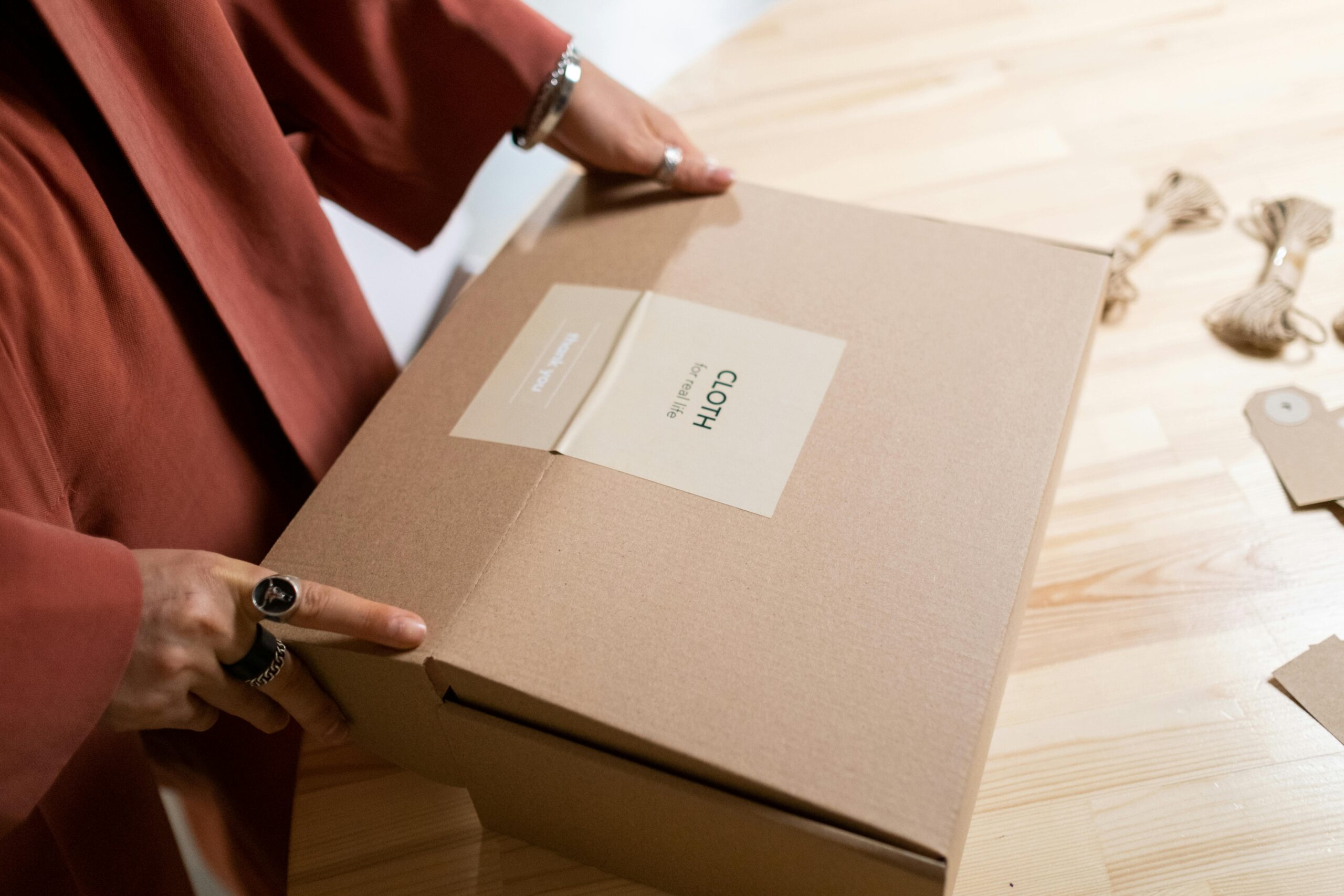
Natural aesthetics complement your eco-prints beautifully. The brown tones of kraft paper and cardboard create a cohesive, earthy presentation. Simple stamps with botanical motifs, your logo on recycled stickers, or hand-written thank you notes add personality without environmental cost.
Consider the sensory experience beyond visual appeal. The rustle of tissue paper, the texture of natural twine, and even the earthy smell of mushroom packaging create multi-sensory moments. These details make unboxing feel special, encouraging customers to share their experience on social media—free marketing that showcases your sustainable practices.
Growing Your Green Delivery Practice Over Time 🌿
Sustainability is a journey of continuous improvement rather than a destination. Your green delivery practices will evolve as you discover new materials, grow your business, and learn from experience. Embracing this growth mindset prevents paralysis from seeking perfection while enabling meaningful environmental progress.
Start with manageable changes rather than attempting complete transformation overnight. Perhaps begin by switching to recycled boxes while continuing to use conventional padding materials. Once that transition feels comfortable, tackle the next element. Gradual implementation reduces overwhelm and allows you to test materials thoroughly before committing to bulk purchases.
Stay informed about emerging sustainable packaging innovations. The field evolves rapidly, with new materials and technologies regularly becoming available. Following industry publications, joining artist networks focused on sustainability, and attending craft fairs expose you to new ideas and solutions.
Share your journey authentically, including challenges and setbacks. Customers appreciate honesty about the complexities of sustainable business practices. Documenting your progress—”This year we eliminated 500 plastic sleeves from our packaging”—creates accountability while celebrating achievements that matter.
Remember that your green delivery practices extend your eco-print philosophy into every customer interaction. Each thoughtfully packaged shipment represents your values in action, creating ripples of environmental awareness that extend far beyond the artwork itself. By prioritizing sustainable packaging and shipping, you’re not just delivering eco-prints—you’re delivering a more sustainable future. 🌎