
Plastic waste has become one of the most pressing environmental challenges of our time, but innovative recycling technologies are turning this crisis into an opportunity for sustainable manufacturing and creative solutions. ♻️

The Global Plastic Crisis: Understanding the Magnitude
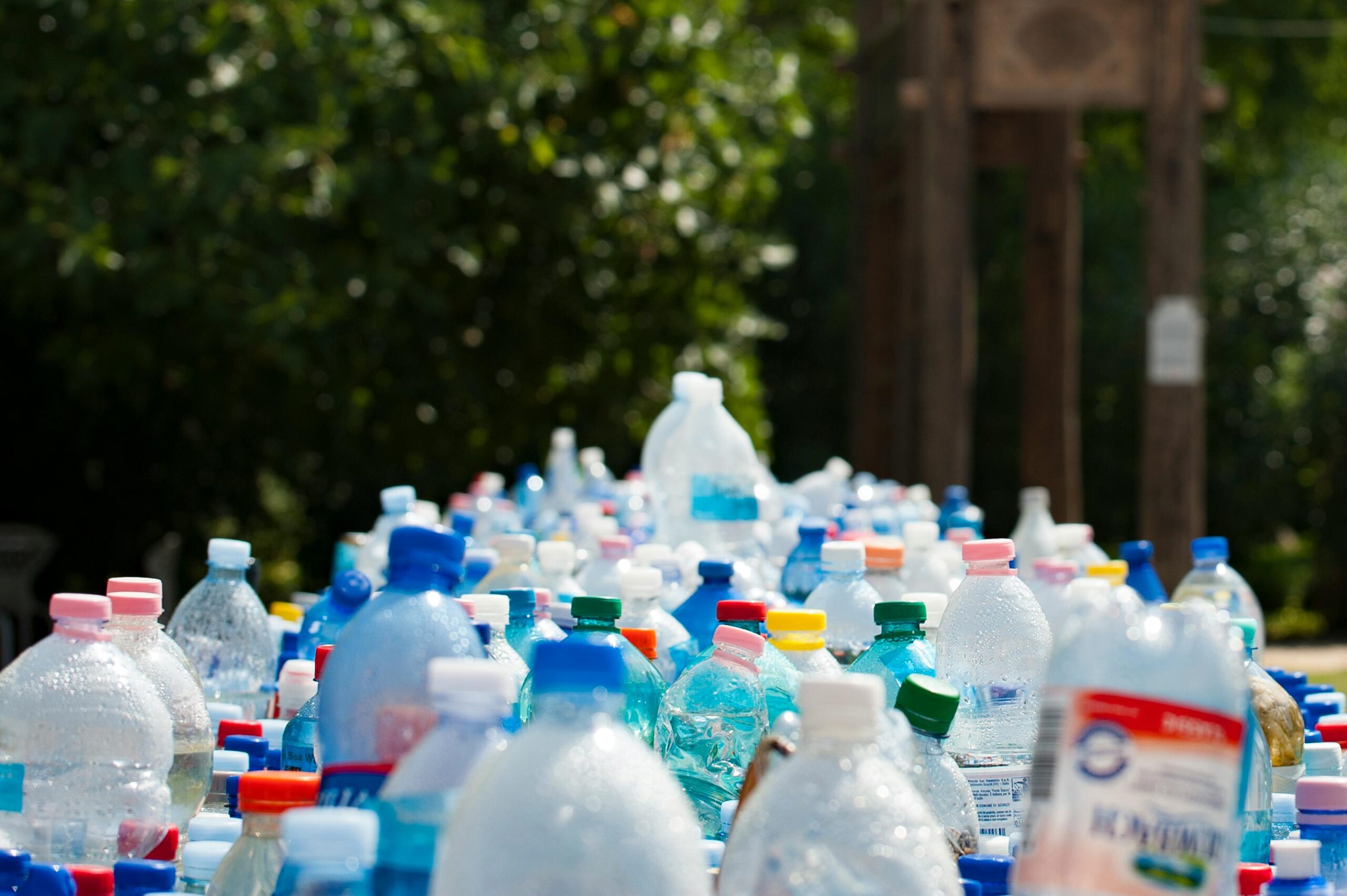
Every year, humanity produces over 400 million tons of plastic waste, with only a fraction being properly recycled. The majority ends up in landfills, oceans, and natural environments, where it persists for centuries, breaking down into harmful microplastics that contaminate our food chain and ecosystems. This catastrophic scenario has sparked urgent calls for innovative solutions that can transform our relationship with plastic materials.
The environmental impact of plastic waste extends far beyond visual pollution. Marine life suffers tremendously, with countless species ingesting plastic debris or becoming entangled in discarded materials. Furthermore, the production of virgin plastic from petroleum releases significant greenhouse gases, contributing to climate change. This dual crisis of waste accumulation and carbon emissions demands revolutionary approaches to how we handle plastic materials.
The Birth of Filament Recycling Technology 🔬
Enter the game-changing innovation of converting plastic waste into 3D printing filament. This technology represents a paradigm shift in recycling, transforming discarded plastics into valuable manufacturing resources. Instead of viewing plastic waste as trash destined for landfills, we can now see it as raw material for creating new products through additive manufacturing.
The process begins with collecting and sorting plastic waste by type. Common plastics like PET (polyethylene terephthalate), HDPE (high-density polyethylene), and PLA (polylactic acid) can all be converted into printable filament. Once sorted, the plastic undergoes cleaning to remove contaminants, labels, and adhesives that could compromise the quality of the final product.
How Plastic-to-Filament Conversion Actually Works
The transformation process involves several critical steps that ensure the recycled material meets quality standards for 3D printing applications. First, cleaned plastic is shredded into small flakes or pellets, creating a uniform feedstock for the extrusion process. These fragments are then dried thoroughly to eliminate moisture, which can cause defects in the final filament.
Next comes the extrusion phase, where the plastic pellets are heated to their melting point and pushed through a precisely calibrated nozzle. As the molten plastic emerges, it’s immediately cooled and measured to ensure consistent diameter—typically 1.75mm or 2.85mm for most 3D printers. This diameter consistency is crucial for reliable printing results.
Finally, the filament is spooled and packaged, ready for use in 3D printers worldwide. Quality control throughout this process ensures that recycled filament performs comparably to virgin plastic filament, making it a viable alternative for both hobbyists and professional manufacturers.
Environmental Benefits That Extend Beyond Recycling 🌍
The environmental advantages of converting plastic waste into filament are multifaceted and significant. By diverting plastic from landfills and oceans, we immediately reduce pollution and its harmful effects on ecosystems. Each kilogram of recycled filament represents plastic that won’t spend centuries decomposing in natural environments.
Energy consumption is another critical factor. Manufacturing virgin plastic from petroleum requires substantial energy input, whereas recycling existing plastic into filament uses significantly less. Studies suggest that recycling plastic can reduce energy consumption by up to 88% compared to virgin production, dramatically lowering the carbon footprint of 3D printing materials.
Water conservation also plays a role in the sustainability equation. Virgin plastic production requires extensive water resources for cooling and processing. Recycled filament production uses considerably less water, contributing to the preservation of this precious resource in regions facing water scarcity.
Closing the Circular Economy Loop
Perhaps the most compelling aspect of plastic-to-filament recycling is how it embodies circular economy principles. Instead of the traditional linear model of “take, make, dispose,” this technology creates a closed loop where materials are continuously reused. Products printed with recycled filament can themselves be recycled again, creating an ongoing cycle of resource utilization.
This circular approach reduces dependence on virgin petroleum-based plastics, decreasing both environmental degradation from oil extraction and the greenhouse gas emissions associated with plastic production. As more individuals and businesses adopt this technology, the cumulative impact becomes increasingly significant.
Technological Innovations Driving the Revolution 💡
Recent years have witnessed remarkable technological advancements making plastic-to-filament recycling more accessible and efficient. Home-scale filament extruders now enable individuals to recycle their own plastic waste, transforming household items like bottles, containers, and failed 3D prints into new printing material.
These machines have become increasingly affordable and user-friendly, with models available ranging from basic DIY kits to sophisticated automated systems. The democratization of recycling technology empowers makers, educators, and small businesses to participate actively in the circular economy without requiring industrial-scale equipment.
Smart Recycling Systems and Quality Control
Modern filament recycling systems incorporate advanced sensors and control mechanisms that monitor temperature, extrusion speed, and filament diameter in real-time. These smart features ensure consistent quality and reduce waste from imperfect filament production. Some systems even include color sensors and blending capabilities, allowing users to create custom-colored filaments from mixed plastic sources.
Artificial intelligence and machine learning are beginning to optimize the recycling process further. Algorithms can predict optimal processing parameters based on plastic type, ambient conditions, and desired filament properties, minimizing trial-and-error and maximizing output quality.
Economic Opportunities in Recycled Filament Production 💰
The business case for plastic-to-filament recycling extends beyond environmental responsibility. Companies and entrepreneurs are discovering profitable opportunities in collecting plastic waste, converting it to filament, and selling it to the growing 3D printing market. This creates economic incentives for recycling while simultaneously reducing material costs for manufacturers.
Small-scale recycling operations can source plastic waste at minimal cost or even receive payment for waste removal services. After processing, recycled filament can be sold at competitive prices compared to virgin materials, generating revenue while providing an eco-friendly alternative to conscious consumers and businesses.
Creating Local Recycling Economies
Community-based recycling initiatives are emerging worldwide, where local makerspaces, schools, and cooperatives establish filament production facilities. These operations keep plastic waste within the community, create local employment opportunities, and supply affordable 3D printing materials to local users. This localized approach reduces transportation emissions while building resilient, self-sufficient communities.
Educational institutions particularly benefit from this model, teaching students about sustainability, manufacturing, and entrepreneurship while producing materials for their own 3D printing programs. The hands-on experience of transforming waste into valuable resources provides powerful lessons in circular economy principles.
Challenges and Solutions in Scaling the Technology 🔧
Despite its promise, plastic-to-filament recycling faces several challenges that must be addressed for widespread adoption. Contamination remains a significant issue, as mixed plastics or residual substances can compromise filament quality. Developing better sorting technologies and establishing clear collection protocols are essential steps toward overcoming this obstacle.
Quality consistency represents another challenge, particularly for applications requiring precise mechanical properties. Variations in source plastic, processing conditions, and additives can affect the final filament’s performance. However, standardization efforts and improved quality control systems are gradually addressing these concerns.
Infrastructure and Collection System Development
Efficient collection and distribution systems are crucial for scaling recycled filament production. Currently, many potential feedstock sources lack organized collection mechanisms, making it difficult for recyclers to obtain consistent plastic supplies. Developing partnerships with waste management companies, retailers, and municipalities can create reliable supply chains for plastic waste.
Reverse logistics programs, where manufacturers accept used products for recycling, present another promising solution. Some forward-thinking companies are already implementing take-back programs for 3D printed products, ensuring materials return to the production cycle rather than ending up as waste.
Real-World Applications and Success Stories 🎯
Numerous organizations worldwide are demonstrating the practical viability of recycled filament technology. Environmental non-profits are using ocean plastic to create filament for printing educational materials and awareness campaigns. Architecture firms are experimenting with large-scale 3D printing using recycled materials for building components and furniture.
In developing regions, recycled filament initiatives are creating economic opportunities while addressing waste management challenges. Small businesses collect local plastic waste, process it into filament, and supply it to local manufacturers, creating closed-loop systems that benefit communities economically and environmentally.
Innovation in Product Design
Designers are embracing recycled filament’s unique characteristics, sometimes intentionally incorporating color variations and textures that result from mixed plastic sources. These aesthetic qualities distinguish recycled products, creating market appeal for consumers seeking authentic sustainable goods rather than items that merely claim eco-friendliness.
Fashion designers are 3D printing accessories from ocean plastic filament, combining technology with environmental messaging. Artists are creating installations and sculptures that transform waste into thought-provoking works highlighting our consumption patterns and environmental impact.
The Future Landscape of Sustainable Manufacturing 🚀
Looking forward, plastic-to-filament recycling represents just one component of a broader transformation in manufacturing. As 3D printing technology advances and becomes more mainstream, the demand for sustainable materials will intensify. Recycled filament is positioned to become a standard material choice rather than an alternative option.
Emerging technologies promise even greater efficiency and capability. Chemical recycling methods can break plastics down to molecular components, enabling the creation of virgin-quality materials from contaminated or mixed plastic waste. Hybrid approaches combining mechanical and chemical recycling could maximize material recovery while maintaining quality standards.
Integration with Smart Cities and IoT
Future urban environments may incorporate distributed recycling and manufacturing hubs where waste is automatically sorted, processed into filament, and used for on-demand production of needed items. Internet of Things (IoT) sensors could track plastic waste streams, optimize collection routes, and match supply with demand in real-time, creating highly efficient circular economy systems.
Blockchain technology could provide transparency and traceability for recycled materials, allowing consumers to verify the sustainability credentials of products and incentivizing proper recycling through tokenized reward systems. These digital tools could accelerate the transition to circular manufacturing models.
Taking Action: How Individuals Can Participate 🙌
The revolution in plastic recycling isn’t limited to large corporations or industrial facilities. Individuals can actively participate in transforming plastic waste into valuable resources. Starting small with personal filament recycling equipment allows makers to reduce their own environmental footprint while exploring creative possibilities.
Community engagement amplifies individual efforts. Joining or establishing local recycling cooperatives, participating in plastic collection initiatives, or advocating for institutional adoption of recycled materials all contribute to systemic change. Educational outreach helps spread awareness and knowledge, multiplying the impact of sustainable practices.
Consumer choices matter significantly. Supporting businesses that use recycled materials, choosing products designed for recyclability, and demanding transparency about material sourcing sends powerful market signals that drive industry transformation. Every purchase decision contributes to shaping manufacturing practices.
Building a Sustainable Future Through Innovation 🌱
The transformation of plastic waste into 3D printing filament exemplifies how innovative thinking can turn environmental challenges into opportunities. This technology doesn’t just manage waste more effectively—it reimagines our relationship with materials, moving from disposability toward continuous reuse and regeneration.
Success requires collaboration across sectors, combining technological innovation with policy support, business model development, and cultural shifts in how we value materials. Governments can incentivize recycling through favorable regulations and funding. Businesses can integrate recycled materials into product design and manufacturing. Individuals can make conscious choices and participate in circular economy systems.
The revolution is already underway, with early adopters demonstrating feasibility and benefits. As technology improves, costs decrease, and awareness grows, plastic-to-filament recycling will transition from niche practice to mainstream standard. The question isn’t whether this transformation will happen, but how quickly we can accelerate it.
By embracing recycled filament technology and supporting circular economy principles, we take concrete steps toward environmental sustainability while unlocking economic opportunities and fostering innovation. The future of manufacturing lies not in extracting more resources, but in intelligently reusing what we’ve already produced. Through technologies like plastic-to-filament recycling, we’re building that sustainable future today, one printed layer at a time.