
Choosing sustainable materials has never been more critical. As consumers and industries alike pivot toward eco-friendly alternatives, understanding the nuances between recycled and bio-based materials becomes essential for informed decision-making.

🌍 The Rising Urgency for Sustainable Material Solutions
Our planet faces an unprecedented environmental crisis. Plastic pollution chokes oceans, landfills overflow with non-biodegradable waste, and carbon emissions continue accelerating climate change. In response, material scientists, manufacturers, and environmentally conscious consumers are exploring two primary pathways: recycled materials that give waste new life and bio-based materials derived from renewable biological sources.
Both approaches promise reduced environmental impact compared to virgin petroleum-based materials, yet each comes with distinct advantages, limitations, and trade-offs. The recycled materials market reached $58.5 billion in 2022, while the bio-based plastics sector continues expanding at approximately 15% annually. These statistics reflect growing recognition that sustainable material choices matter profoundly for our collective future.
However, the decision between recycled and bio-based materials isn’t straightforward. Context matters tremendously. Product lifespan expectations, intended applications, available infrastructure, and regional considerations all influence which option delivers superior environmental and economic outcomes.
Understanding Recycled Materials: Closing the Loop ♻️
Recycled materials emerge from post-consumer or post-industrial waste streams, processed and reformed into new products. This circular approach diverts materials from landfills and incinerators while reducing demand for virgin resource extraction.
The Environmental Benefits of Recycling
Recycling aluminum saves approximately 95% of the energy required for primary production from bauxite ore. Similarly, recycled paper manufacturing consumes 40% less energy than producing paper from virgin wood pulp. These energy savings translate directly into reduced greenhouse gas emissions.
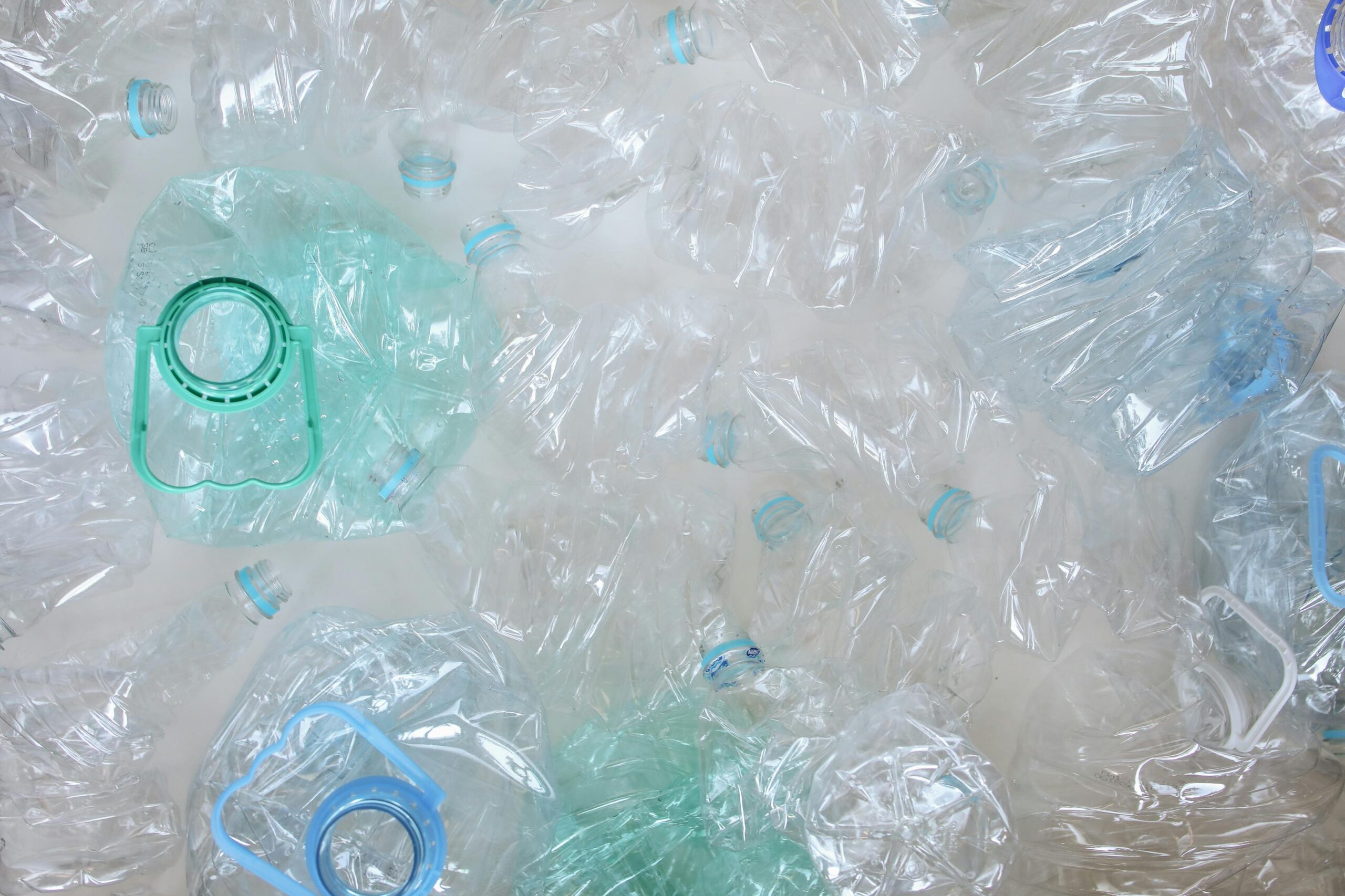
Recycled plastics present more complex scenarios. PET bottles can be recycled into clothing fibers, new containers, or construction materials. HDPE from milk jugs becomes lumber alternatives and drainage pipes. However, plastic recycling faces mechanical limitations—polymers degrade slightly with each processing cycle, restricting the number of times materials can be recycled.
Key advantages of recycled materials include:
- Reduced landfill burden and ocean plastic pollution
- Lower energy consumption compared to virgin material production
- Decreased demand for resource extraction and habitat destruction
- Established infrastructure in many developed nations
- Growing consumer recognition and market acceptance
The Limitations and Challenges
Despite clear benefits, recycled materials face significant obstacles. Contamination remains a persistent problem—food residue on plastics, mixed material types, and adhesive labels all compromise recyclability. China’s 2018 ban on imported recyclable waste exposed weaknesses in global recycling infrastructure, leaving many developed nations scrambling for alternatives.
Quality degradation presents another challenge. Recycled plastics often cannot match virgin material performance in applications requiring high clarity, strength, or purity. This limitation creates downcycling scenarios where materials move toward lower-value applications with each lifecycle iteration until ultimately reaching disposal.
Economic viability fluctuates with commodity markets. When crude oil prices drop, virgin plastic production becomes cheaper than recycling operations, undermining the business case for recycling facilities. This price sensitivity creates instability in recycling markets and discourages investment in improved infrastructure.
🌱 Bio-based Materials: Nature’s Alternative Approach
Bio-based materials derive from renewable biological resources—plants, algae, agricultural waste, or even microorganisms. These materials include bioplastics like polylactic acid (PLA), cellulose-based textiles, mycelium packaging, and biochemically produced alternatives to conventional plastics.
The Promise of Biological Origins
Bio-based materials offer compelling advantages beginning with their renewable feedstocks. While petroleum requires millions of years to form and exists in finite quantities, corn, sugarcane, cellulose, and other biological sources regenerate annually or within short timeframes.
Carbon sequestration during plant growth partially offsets emissions from manufacturing and disposal. A corn plant converting atmospheric CO2 into biomass that becomes PLA plastic represents a closed carbon cycle—theoretically carbon-neutral if produced sustainably.
Biodegradability potential distinguishes many bio-based materials from conventional plastics. Under proper conditions, materials like PLA, PHA, and certain bio-based polyesters can decompose into water, carbon dioxide, and biomass, leaving no persistent pollution. This characteristic proves particularly valuable for single-use applications where recycling proves impractical.
Innovation in bio-based materials accelerates rapidly. Mycelium packaging grows from agricultural waste and fungal networks, creating protective materials that compost completely. Algae-based bioplastics avoid land-use competition with food crops. Bacterial fermentation produces bio-polymers with properties rivaling conventional plastics.
Confronting the Complications
Bio-based materials carry their own environmental baggage. Agricultural feedstocks require land, water, fertilizers, and pesticides. Large-scale bioplastic production could intensify pressure on agricultural systems already strained by food security demands and climate change.
Land-use change represents a critical concern. Converting forests or grasslands to grow feedstock crops releases stored carbon and destroys ecosystems, potentially negating climate benefits. The “food versus fuel” debate extends to materials—should cropland produce sustenance or industrial feedstocks?
Biodegradability claims require scrutiny. Many bio-based plastics only decompose under specific industrial composting conditions—temperatures exceeding 140°F, controlled moisture, and specialized microorganisms. In typical landfills or natural environments, these materials may persist for years, functioning essentially like conventional plastics.
Processing and production energy requirements vary widely. Some bio-based materials require intensive chemical processing, offsetting renewable feedstock benefits. Comprehensive lifecycle assessments prove essential for accurate environmental impact evaluation.
📊 Comparing Lifecycle Environmental Impacts
Meaningful comparison demands holistic lifecycle assessment (LCA) examining impacts from raw material extraction through manufacturing, use, and end-of-life disposal. Single-metric comparisons mislead—materials performing well on carbon footprint may fare poorly regarding water consumption or eutrophication potential.
| Environmental Factor | Recycled Materials | Bio-based Materials |
|---|---|---|
| Energy Consumption | Lower than virgin production | Variable, depends on feedstock and processing |
| Carbon Footprint | Reduced through avoided extraction | Potentially neutral with sustainable sourcing |
| Water Usage | Generally lower | Can be high for agricultural feedstocks |
| Land Use | Minimal additional impact | Significant for crop-based materials |
| Persistence in Environment | Similar to original material | Variable, some biodegradable |
Research from the European Bioplastics Association indicates bio-based plastics can reduce carbon emissions by 30-70% compared to conventional plastics, assuming sustainable feedstock sourcing. However, recycled plastic production typically shows 50-90% emission reductions compared to virgin plastic manufacturing.
Context dramatically influences these comparisons. Recycled aluminum dramatically outperforms bio-based alternatives for beverage cans. Conversely, agricultural mulch films benefit more from biodegradable bio-based materials than recycled plastics requiring post-harvest collection.
🔄 Infrastructure and Systemic Considerations
Material sustainability extends beyond inherent properties to encompass infrastructure, logistics, and systemic integration. The most environmentally superior material proves ineffective without appropriate collection, processing, and end-of-life management systems.
Recycling Infrastructure Realities
Developed nations possess varying recycling infrastructure maturity. Western Europe achieves plastic recycling rates approaching 40%, while the United States hovers around 9%. These disparities reflect investment levels, policy frameworks, and cultural factors influencing participation and contamination rates.
Effective recycling demands consumer education, convenient collection systems, sorting facilities with advanced separation technology, and end markets for recycled materials. Infrastructure gaps in any area undermine the entire chain.
Chemical recycling technologies now emerging promise to overcome mechanical recycling limitations by breaking polymers into molecular building blocks for reformation into virgin-quality materials. These technologies could enable infinite recycling loops but require significant energy inputs and economic viability remains uncertain at scale.
Bio-based Material End-of-Life Pathways
Industrial composting facilities capable of processing biodegradable bio-based materials remain scarce. The United States operates approximately 4,700 composting facilities, but most handle yard waste and organic food scraps rather than biodegradable plastics.
Consumer confusion compounds infrastructure deficits. Bio-based plastics mingling with conventional plastic recycling streams contaminate batches, forcing entire loads to disposal. Conversely, recyclable bio-based plastics mistakenly composted represent lost recovery opportunities.
Clear labeling, consumer education, and expanded processing infrastructure must accompany bio-based material adoption. Without these systemic elements, promising materials fail to deliver environmental benefits.
💡 Strategic Material Selection Framework
Choosing between recycled and bio-based materials requires evaluating multiple factors specific to each application. No universal answer exists—optimal choices depend on product characteristics, regional infrastructure, and intended use patterns.
When Recycled Materials Excel
Recycled materials prove superior for durable goods requiring multiple use cycles, applications where material properties matter less than sustainability messaging, and regions with mature recycling infrastructure. Aluminum cans, glass containers, certain plastic packaging, and construction materials represent ideal recycled material applications.
Products entering established recycling streams benefit from infrastructure investments already made. Consumer familiarity with recycling symbols and behaviors supports higher recovery rates compared to newer bio-based alternatives lacking recognition.
When Bio-based Materials Shine
Bio-based materials suit single-use applications where collection proves impractical, products facing inevitable environmental dispersal, and items where biodegradability provides functional advantages. Agricultural films, food service ware for large events, medical applications requiring sterility, and certain packaging scenarios favor bio-based approaches.
Innovation potential tilts toward bio-based materials. While recycling optimizes existing material flows, bio-based research explores entirely new material categories with unprecedented properties and minimal environmental persistence.
Hybrid and Context-Specific Solutions
Some optimal solutions combine approaches. Packaging might use recycled content for rigid components while employing bio-based materials for flexible elements difficult to recycle. Regional considerations matter tremendously—areas with limited recycling infrastructure but agricultural economies might favor bio-based materials, while urbanized regions with advanced waste management benefit from recycled alternatives.
🚀 Innovation Frontiers Reshaping the Landscape
Emerging technologies blur boundaries between recycled and bio-based approaches while introducing entirely novel possibilities. Enzymatic recycling uses biological catalysts to break down plastics at molecular levels, potentially enabling infinite recycling of previously unrecyclable materials.
Synthetic biology creates microorganisms that consume waste plastics and excrete valuable chemicals or even new biomaterials. These living factories could transform waste streams into feedstocks, merging recycling and bio-based production.
Advanced sorting technologies using artificial intelligence, near-infrared spectroscopy, and robotics improve recycling efficiency while reducing contamination. These innovations make previously uneconomical recycling operations viable.
Novel bio-based materials from unexpected sources continue emerging. Spider silk proteins produced by bacteria, leather alternatives grown from mushroom mycelium, and plastics derived from captured carbon dioxide represent frontier developments potentially transforming sustainable material options.
🌏 Policy Frameworks Driving Change
Government policies increasingly shape material choices through regulations, incentives, and infrastructure investments. The European Union’s Circular Economy Action Plan establishes ambitious recycling targets while promoting bio-based alternatives. Extended Producer Responsibility programs make manufacturers financially responsible for end-of-life product management, incentivizing recyclability and sustainable material selection.
Carbon pricing mechanisms favor low-emission materials, benefiting both well-managed recycling operations and sustainably produced bio-based alternatives. Plastic bans targeting specific single-use items drive bio-based material adoption while simultaneously spurring recycling innovation.
Public procurement policies leveraging government purchasing power create guaranteed markets for sustainable materials, reducing investment risks and accelerating scale economies that improve cost competitiveness.
Making Informed Choices for Tomorrow 🌟
The sustainable materials landscape offers no perfect solutions, only intelligent trade-offs calibrated to specific contexts. Recycled materials excel at closing loops for durable goods and leveraging existing infrastructure, while bio-based alternatives promise renewable feedstocks and potential biodegradability for appropriate applications.
Progress demands moving beyond simplistic “recycled versus bio-based” framing toward nuanced evaluation considering lifecycle impacts, regional infrastructure, product requirements, and systemic integration. The most sustainable choice varies by application—sometimes recycled, sometimes bio-based, sometimes hybrid approaches combining strengths of both.
Consumer awareness and engagement prove crucial. Understanding material labels, participating in collection programs, and supporting policy initiatives that fund infrastructure investments all contribute to systemic change. Businesses bear responsibility for transparent communication, design for recyclability or compostability, and investment in sustainable material research.
The transition toward truly sustainable materials requires patience, investment, and continued innovation. Neither recycled nor bio-based materials currently solve all environmental challenges, but both represent significant improvements over conventional alternatives when thoughtfully applied.
Our collective future depends on making these green choices wisely, recognizing that sustainability emerges not from perfect materials but from intelligent systems that minimize waste, maximize resource efficiency, and respect planetary boundaries. By understanding trade-offs between recycled and bio-based materials, we equip ourselves to build that sustainable future—one thoughtful material choice at a time.