The evolution of photopolymer bio-resins is transforming additive manufacturing, offering sustainable alternatives while maintaining exceptional performance in 3D printing applications worldwide.

🌱 The Green Revolution in Photopolymer Technology
Traditional resin-based 3D printing has long relied on petroleum-derived materials that pose environmental challenges and health concerns. The emergence of photopolymer bio-resins marks a significant turning point in the industry, combining ecological responsibility with advanced curing properties. These innovative materials are derived from renewable biological sources such as soy, corn, and other plant-based compounds, offering a compelling alternative to conventional synthetic resins.
Bio-resins represent more than just an environmental statement—they embody a fundamental shift in how we approach material science in additive manufacturing. The curing behavior of these materials presents unique characteristics that require deeper understanding and optimization. As manufacturers and researchers continue to explore the potential of bio-based photopolymers, the industry is witnessing unprecedented innovation in formulation chemistry and processing techniques.
Understanding the Fundamentals of Photopolymer Curing
Photopolymerization is a chemical process where liquid monomers transform into solid polymers through exposure to specific wavelengths of light, typically ultraviolet (UV) radiation. This process involves photoinitiators that absorb light energy and generate reactive species, triggering chain reactions that form cross-linked polymer networks.
The curing behavior of photopolymer bio-resins differs from conventional resins in several critical aspects. Bio-based monomers and oligomers often possess different molecular structures, functional groups, and reactivity patterns compared to their petroleum-derived counterparts. These differences directly influence curing speed, penetration depth, layer adhesion, and final mechanical properties.
Key Components Influencing Bio-Resin Curing
Several fundamental components determine how photopolymer bio-resins cure and perform:
- Bio-based Monomers: The foundational building blocks derived from renewable sources that determine the resin’s baseline properties
- Photoinitiators: Compounds that absorb light energy and initiate the polymerization reaction
- Cross-linking Agents: Molecules that create bonds between polymer chains, affecting mechanical strength and durability
- Additives and Stabilizers: Components that enhance specific properties like UV resistance, flexibility, or color stability
- Reactive Diluents: Substances that adjust viscosity and improve processability without compromising final properties
⚗️ The Chemistry Behind Bio-Resin Curing Behavior
The curing mechanism of photopolymer bio-resins involves complex chemical reactions that occur in milliseconds. When exposed to UV light, photoinitiators undergo homolytic cleavage or electron transfer reactions, generating free radicals or cations that propagate through the resin matrix. These reactive species attack carbon-carbon double bonds in bio-based monomers, creating new bonds and extending polymer chains.
Bio-resins typically utilize acrylate or methacrylate functional groups attached to naturally occurring molecules. The reactivity of these groups depends heavily on their chemical environment within the bio-based structure. Factors such as steric hindrance, electron density, and molecular flexibility significantly impact curing kinetics and the degree of conversion achieved.
Oxygen Inhibition and Its Impact
One challenge particularly relevant to bio-resin curing is oxygen inhibition. Atmospheric oxygen can scavenge free radicals, creating a tacky, uncured surface layer. Bio-resins may exhibit different sensitivity to oxygen inhibition depending on their formulation. Understanding and controlling this phenomenon is crucial for achieving optimal surface finish and dimensional accuracy in printed parts.
Comparative Analysis: Bio-Resins vs. Traditional Photopolymers
Examining the curing behavior differences between bio-based and conventional resins reveals important insights for practical application:
| Property | Traditional Resins | Bio-Resins |
|---|---|---|
| Curing Speed | Typically faster | Moderate, improving with formulation advances |
| Light Penetration | Consistent and predictable | Variable, depends on bio-content and additives |
| Layer Adhesion | Strong and reliable | Excellent when properly optimized |
| Post-Cure Requirements | Standard protocols | May require adjusted time or intensity |
| Environmental Impact | High (petroleum-based) | Significantly reduced (renewable sources) |
🔬 Advanced Curing Techniques for Bio-Resins
Optimizing the curing behavior of photopolymer bio-resins requires sophisticated approaches that account for their unique characteristics. Modern 3D printing systems employ various strategies to maximize performance while maintaining the environmental benefits of bio-based materials.
Wavelength Optimization
Different photoinitiator systems respond to specific light wavelengths. Bio-resin formulations may incorporate photoinitiators optimized for LED light sources at 365nm, 385nm, or 405nm. Matching the light source to the photoinitiator absorption spectrum dramatically improves curing efficiency and reduces energy consumption.
Dynamic Exposure Control
Advanced printing systems now feature dynamic exposure adjustment, where light intensity and duration vary based on geometry, layer thickness, and material properties. This approach compensates for the sometimes slower curing kinetics of bio-resins, ensuring complete polymerization throughout the build.
Implementing grayscale or anti-aliasing techniques further refines curing control, creating smoother surfaces and more accurate features. These technologies are particularly beneficial for bio-resins, which may exhibit different responses to light intensity variations compared to conventional materials.
Mechanical Properties and Performance Optimization
The ultimate mechanical properties of cured bio-resin parts depend critically on the curing process. Incomplete curing results in reduced strength, poor solvent resistance, and dimensional instability. Conversely, over-exposure can create internal stresses, brittleness, and discoloration.
Bio-resins can achieve mechanical properties comparable to conventional resins when properly formulated and cured. Tensile strength, flexural modulus, and impact resistance all depend on achieving high conversion rates—the percentage of reactive groups that form polymer bonds during curing.
Post-Curing Strategies for Bio-Resins
Post-curing represents a critical step in developing full mechanical properties. Bio-resins often benefit from controlled post-cure protocols that may differ from traditional materials:
- Temperature-Controlled Post-Cure: Heating parts to 40-60°C during UV post-cure accelerates reaction completion
- Extended Exposure Times: Bio-resins may require 10-30% longer post-cure times to achieve maximum properties
- Inert Atmosphere Processing: Nitrogen blankets eliminate oxygen inhibition during post-cure
- Gradual Intensity Ramping: Starting with lower intensity and increasing gradually prevents surface over-cure while ensuring depth cure
🌍 Environmental Benefits and Sustainability Metrics
The transition to photopolymer bio-resins delivers measurable environmental advantages that extend beyond simple carbon footprint reduction. Life cycle assessments demonstrate significant improvements across multiple sustainability indicators when comparing bio-resins to petroleum-based alternatives.
Renewable content percentages in commercial bio-resins range from 30% to over 70%, with ongoing research targeting formulations approaching 100% bio-based content. This shift reduces dependence on fossil resources and supports agricultural economies. Additionally, some bio-resin formulations offer improved biodegradability or recyclability compared to conventional photopolymers.
Balancing Performance and Sustainability
The challenge in bio-resin development lies in maintaining high performance while maximizing bio-content. Higher percentages of bio-based components can sometimes compromise curing speed, mechanical properties, or shelf life. Material scientists continuously work to improve formulations that achieve optimal balance between ecological responsibility and functional performance.
Industrial Applications Driving Bio-Resin Adoption
Several industries are actively embracing photopolymer bio-resins, recognizing both their environmental credentials and competitive performance characteristics. These applications demonstrate the versatility and practical viability of bio-based photopolymers in demanding real-world scenarios.
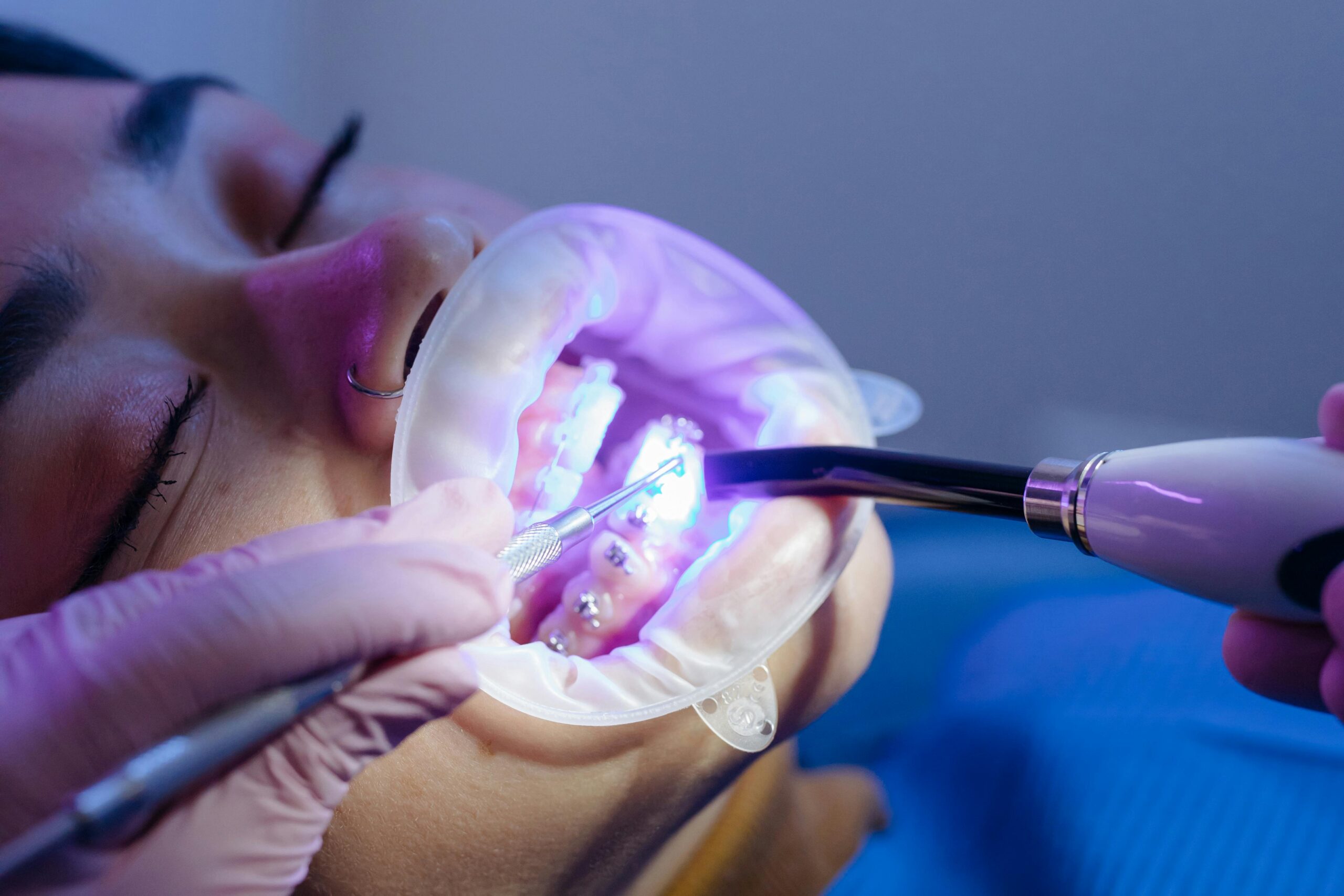
The dental industry represents a significant growth sector for bio-resins, where biocompatibility and sustainability align with patient care priorities. Surgical guides, orthodontic models, and temporary restorations produced from bio-resins offer comparable accuracy and durability to traditional materials while reducing environmental impact.
Consumer products and packaging prototyping increasingly utilize bio-resins as brands seek to demonstrate environmental commitment. The jewelry industry has similarly adopted these materials for investment casting patterns and direct production of sustainable accessories. Educational institutions value bio-resins for teaching additive manufacturing without exposing students to more hazardous conventional materials.
🔧 Troubleshooting Common Curing Challenges
Working with photopolymer bio-resins requires understanding their unique behaviors and potential challenges. Recognizing common issues and implementing appropriate solutions ensures consistent, high-quality results.
Addressing Under-Curing Issues
Under-curing manifests as tacky surfaces, weak mechanical properties, or dimensional inaccuracies. For bio-resins, this problem may stem from insufficient light exposure, expired photoinitiators, or incompatible wavelengths. Solutions include increasing exposure time by 10-20%, verifying light source intensity, ensuring proper resin storage, and conducting test prints to establish optimal parameters.
Managing Over-Curing Effects
Excessive light exposure causes brittleness, yellowing, and dimensional growth beyond design specifications. Bio-resins with high bio-content may be particularly sensitive to over-curing. Implementing carefully calibrated exposure settings, using exposure test matrices, and monitoring post-cure times prevents these issues.
Future Innovations in Bio-Resin Technology
The field of photopolymer bio-resins continues evolving rapidly, with exciting developments emerging from research laboratories and commercial enterprises worldwide. These innovations promise to further improve curing behavior, expand application possibilities, and enhance sustainability credentials.
Next-generation photoinitiators specifically designed for bio-based systems are under development, offering improved efficiency and reduced migration. Novel bio-sourced monomers derived from lignin, cellulose, and algae are expanding the palette of available building blocks. Hybrid formulations that combine complementary bio-based components achieve synergistic property improvements.
Smart Materials and Adaptive Curing
Emerging research explores photopolymer bio-resins with adaptive properties—materials that respond to environmental conditions or specific stimuli. These smart materials could enable self-healing capabilities, programmable stiffness variations, or controlled degradation profiles. Such innovations would dramatically expand the application scope of bio-based photopolymers.
💡 Practical Guidelines for Optimal Results
Achieving excellent results with photopolymer bio-resins requires attention to multiple factors throughout the printing and post-processing workflow. Implementing best practices ensures consistent quality and maximizes the benefits of these innovative materials.
Store bio-resins in dark, temperature-controlled environments to prevent premature polymerization and maintain photoinitiator effectiveness. Most formulations perform best when used at 20-25°C—warming cold resin before printing improves flow characteristics and curing behavior. Thorough mixing before each use ensures uniform distribution of all components, particularly if any settling has occurred during storage.
Calibrate exposure settings specifically for each bio-resin formulation, as optimal parameters vary between products and even between batches. Maintain detailed records of successful print parameters to establish reliable baseline settings. Regular validation test prints help identify any changes in material behavior or equipment performance.
The Economic Perspective on Bio-Resin Adoption
While environmental benefits drive much of the interest in photopolymer bio-resins, economic considerations ultimately determine widespread adoption. Current pricing for bio-resins typically ranges from comparable to 20-40% premium over conventional resins, depending on bio-content percentage and performance specifications.
This price differential continues narrowing as production scales increase and supply chains mature. For applications where sustainability carries marketing value or regulatory advantages, the premium may deliver positive return on investment. Government incentives, carbon credit programs, and corporate sustainability commitments further improve the economic case for bio-resin adoption.
🎯 Maximizing Your Bio-Resin Success
Transitioning to photopolymer bio-resins represents an investment in both environmental responsibility and technological innovation. Success requires understanding the unique curing behaviors of these materials and adapting workflows accordingly. The learning curve is moderate—most users familiar with conventional resin printing can achieve excellent results with bio-resins after some experimentation and parameter optimization.
Engaging with material suppliers to understand specific formulation characteristics provides valuable insights for optimization. Many manufacturers offer technical support, exposure guidelines, and application-specific recommendations. Participating in user communities and forums facilitates knowledge sharing and accelerates problem-solving when challenges arise.
Embracing the Bio-Resin Revolution
The development of photopolymer bio-resins represents a fundamental shift in additive manufacturing materials, combining environmental stewardship with competitive performance. Understanding their curing behavior unlocks the full potential of these innovative materials, enabling applications across diverse industries while reducing environmental impact.
As formulations continue improving and adoption accelerates, bio-resins are positioned to become standard options rather than specialty alternatives. The convergence of sustainability imperatives, technological advancement, and economic viability creates a compelling case for embracing these materials. Whether you’re an industrial manufacturer, product designer, or hobbyist maker, exploring photopolymer bio-resins offers opportunities to contribute to a more sustainable future while achieving excellent functional results.
The journey toward fully bio-based, high-performance photopolymers continues, driven by dedicated researchers, innovative companies, and environmentally conscious users. By understanding and optimizing the curing behavior of these materials, we participate in revolutionizing not just resin technology, but the entire paradigm of sustainable manufacturing.